Same Day Service Available | No Obligation Instant Quote
Bed Bug Treatment in Arizona
Same Day Service Available
No Obligation Instant Quote

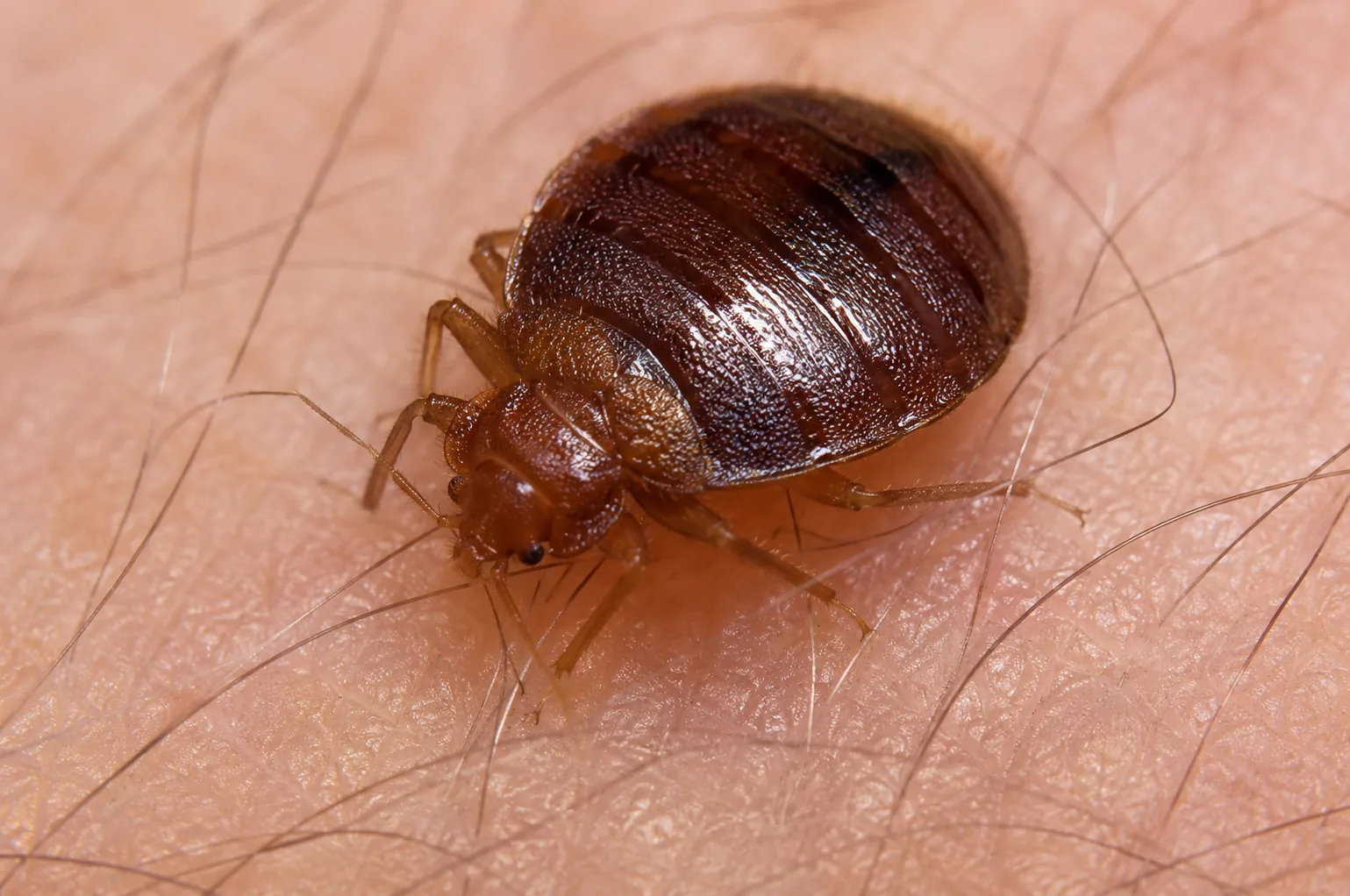
Nobody wants to talk about bed bugs. But if you're reading this, you probably found one - and now you want answers. Bed bugs aren't a sign of a dirty home. They're opportunistic hitchhikers that crawl into your luggage at hotels, hide in secondhand furniture, or catch a ride on a visitor's bag. They don't care about your zip code or how often you vacuum.
The good news: they're treatable. The key is acting fast before one becomes hundreds.
Same Day Service Available
No Obligation Instant Quote
Your Location
How They Get In
How Bed Bugs Get Into Arizona Homes
You can pick up bed bugs almost anywhere people sleep or sit. A few of the most common ways we see them show up:
- Hotel stays and travel - Bed bugs are prolific in hotel rooms, vacation rentals, and even airports. Your luggage is essentially a taxi for them.
- Used furniture - That free couch from Facebook Marketplace or the dresser from the estate sale can come with unwanted residents.
- Guests and visitors - Someone staying over who's been traveling may not know they brought anything along.
- Apartment and condo living - Bed bugs move through shared walls, electrical conduits, and hallways. One unit's problem can become the whole floor's problem quickly.

Early Warning Signs
Signs You Have Bed Bugs
Bed bugs are small and nocturnal, so the infestation is usually well underway before people spot one. Watch for:
- Bite marks in lines or clusters - Often on arms, shoulders, or legs. They don't itch for everyone, which is why some people miss them.
- Blood spots on your sheets - Small rust-colored smears from rolling over a recently fed bug.
- Dark staining on your mattress seams - This is fecal matter. It looks like tiny ink spots along the piping or tags of your mattress.
- A sweet, musty odor - In heavier infestations, you'll notice a distinct smell, almost like almonds or coriander.
- Cast skins - Bed bugs shed their exoskeleton as they grow. Finding translucent husks in mattress seams is a sure sign.
If you're seeing two or more of these, call us. Early treatment is significantly cheaper and faster than waiting.

Our Process
The Lunar Lock Protocol - Our Four-Step Process
1. Thorough Inspection. Every bed bug job starts with a detailed walk-through of the affected areas. Our technicians check mattress seams, box springs, bed frames, nightstands, baseboards, outlets, picture frames, and upholstered furniture.
2. Treatment Strategy. We use a combination approach: targeted chemical treatments applied to all identified hiding spots with residual products that keep working for weeks. We don't just spray the surface - we get into cracks, seams, and voids where bugs actually live.
3. Heat Treatment Option. Heat is one of the most effective tools available for bed bugs because it kills at all life stages - including eggs, which chemical treatments often can't reach. We raise temperatures in affected areas to levels lethal to bed bugs throughout.
4. Follow-Up Visits. Most bed bug treatments require two to three visits spaced roughly two weeks apart. Eggs that survived the first treatment hatch into nymphs, and follow-up visits target that new generation before they mature and reproduce.

Preparation
Preparing for Bed Bug Treatment
Getting ready properly makes a real difference in results. Before we arrive:
- Wash all bedding, clothing, and soft items on the highest heat setting and dry on high for at least 30 minutes
- Declutter the treatment areas - bags of stuff on the floor give bed bugs more places to hide and survive treatment
- Pull furniture a few feet from walls so technicians can access baseboards and wall edges
- Don't throw away your mattress before consulting us - in most cases it can be treated and protected with an encasement, and tossing it can spread bugs to other areas of the home

Same Day Service Available
No Obligation Instant Quote
What Our Customers Say
Trusted Across the Phoenix Valley
Frequently Asked Questions
A chemical treatment typically runs two to four hours depending on home size and how far the infestation has spread. Heat treatments take longer - usually six to eight hours - because the whole space needs to reach and hold lethal temperatures. Plan for multiple visits over four to six weeks to fully resolve the infestation.
Chemical treatments for a single bedroom typically start around $300–$500. Whole-home heat treatments cost more due to the equipment and time involved. Every situation is different, which is why we offer free inspections and give you a written estimate before any work starts.
Usually not. Most mattresses can be treated and then protected with a bed bug encasement - a zippered cover that traps any remaining bugs and prevents new ones from getting in. We'll tell you honestly if a mattress is too far gone to save, but that's rarely the case.
Over-the-counter products rarely eliminate a bed bug infestation. Worse, they can scatter bugs deeper into walls and furniture, making professional treatment harder. If you've already tried a retail product and still have bugs, mention that when you call - it affects our treatment approach.
Our technicians check for live bugs, new bites, and activity signs at every follow-up visit. We'll let you know clearly when we consider the infestation resolved. Mattress encasements make ongoing monitoring much easier - any surviving bugs get trapped rather than re-establishing.
Same Day Service Available
No Obligation Instant Quote
Your Location