Same Day Service Available | No Obligation Instant Quote
Mite Treatment in Arizona
Same Day Service Available
No Obligation Instant Quote

Waking up with itchy welts you can't explain is genuinely alarming. You strip the bed, wash everything, check for bed bugs, and find nothing. The crawling sensation persists. If this sounds familiar, mites are often the answer - specifically bird mites or rodent mites that have moved indoors after losing their original host.
Mite problems in Arizona homes almost always trace back to birds or rodents that were living in or on the structure. The process starts the same way every time: find the source first, then treat. Treating for mites without addressing the source is a waste of time and money.
Same Day Service Available
No Obligation Instant Quote
Your Location
Types of Mites
Types of Mites in Arizona
Bird Mites - The most common complaint. They live in bird nests and feed on bird blood. When birds leave a nest, the mites lose their host and migrate through the structure looking for something to feed on. The problem persists as long as the nest is present and mites keep emerging from it.
Rodent Mites - Behave similarly to bird mites. They live on rats and mice and emerge after a rodent infestation is eliminated. If you've recently dealt with a rodent problem and suddenly have unexplained bites, rodent mites are likely the connection.
Clover Mites - Tiny red mites on windowsills and sunny exterior walls in spring and fall. They don't bite - they feed on grass and plants. The main issue is that they leave a red stain when crushed.
Dust Mites - Microscopic, live in bedding and soft furnishings. They don't bite, but they are a significant allergen trigger. Dust mite management is about cleaning protocols and humidity control, not pesticide treatment.
The Root Cause
The Bird Mite Problem in Arizona
Arizona homes are full of bird nesting opportunities that most homeowners don't realize exist. Common nesting locations include:
- Eaves and soffits (especially block-construction homes with gaps)
- Attic vents without adequate screening
- Gaps around AC units mounted through the wall or on rooftops
- Under solar panels
- In construction voids accessible from the exterior
When birds nest in those locations, mites are part of the package. The mite population in an active nest can be enormous. When the birds leave and the nest stays in place, thousands of mites start dispersing through the structure.
Our Process
How Mite Treatment Works
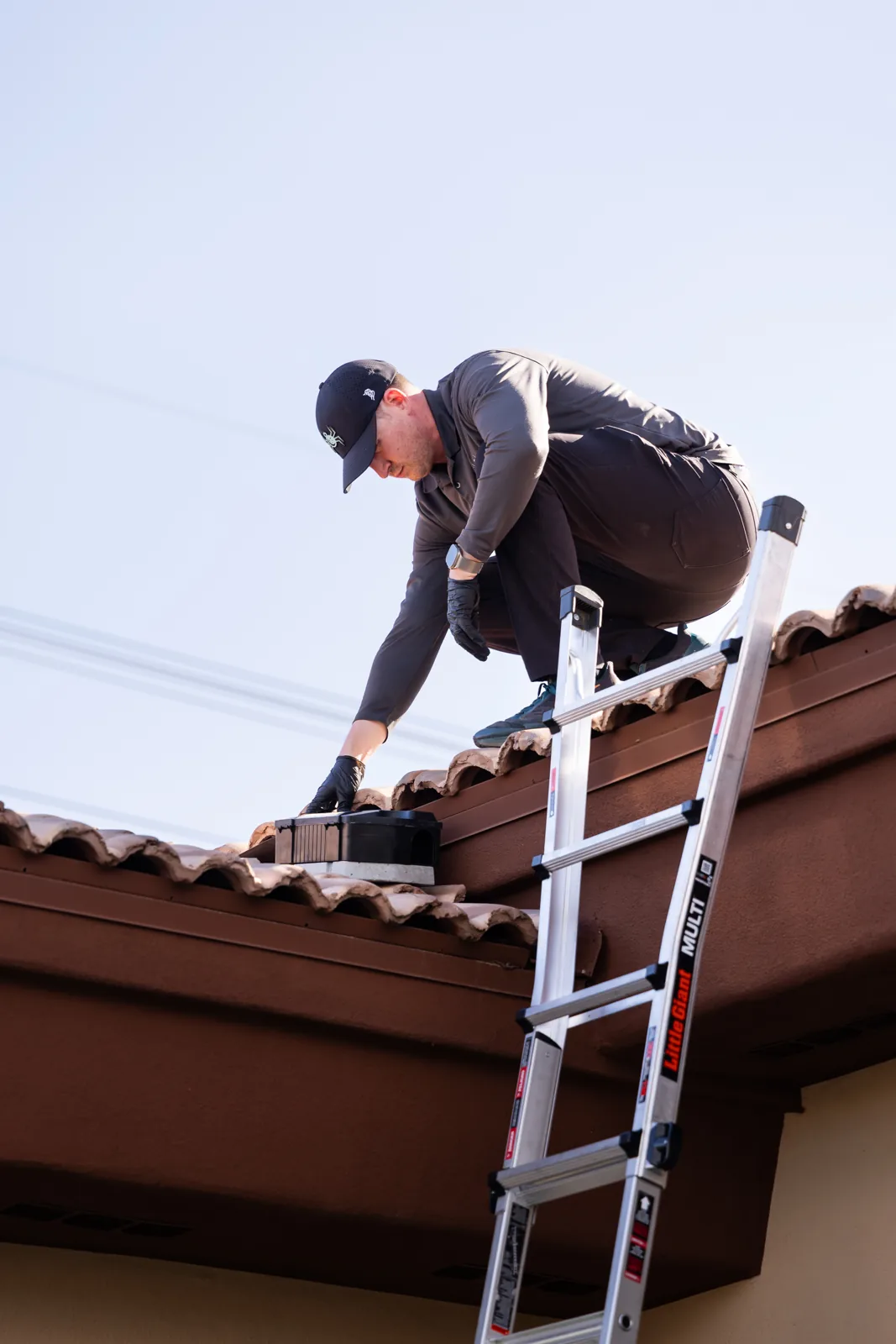
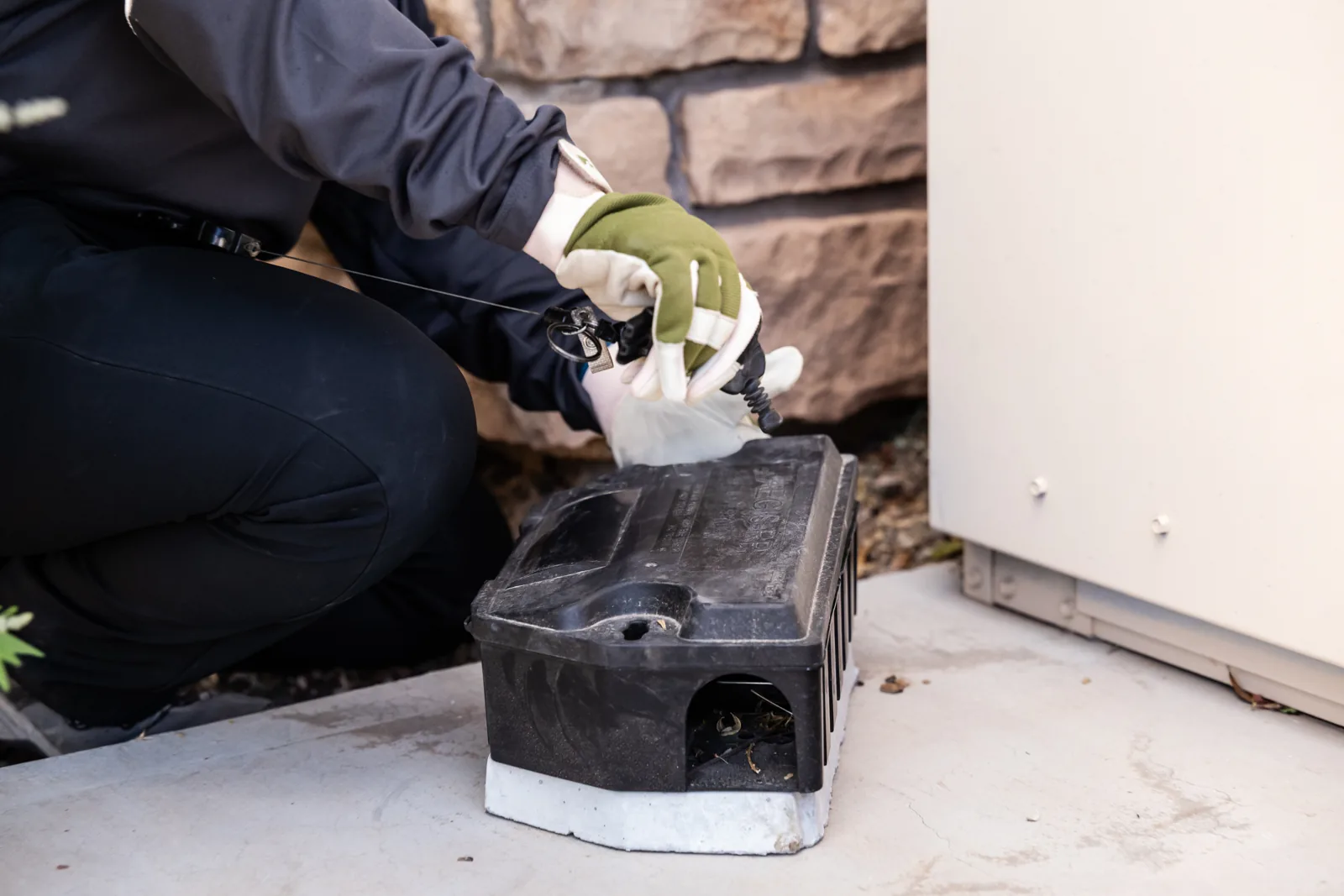
Source Identification - This is the critical first step. We inspect eaves, soffits, attic spaces, AC unit areas, vent covers, and any location where birds or rodents may have been active. You can't solve a mite problem without finding where they're coming from.
Nest and Source Removal - Bird nests get removed after the birds have vacated. Former nest sites get treated. If there's a rodent component, the rodent infestation needs to be addressed simultaneously.
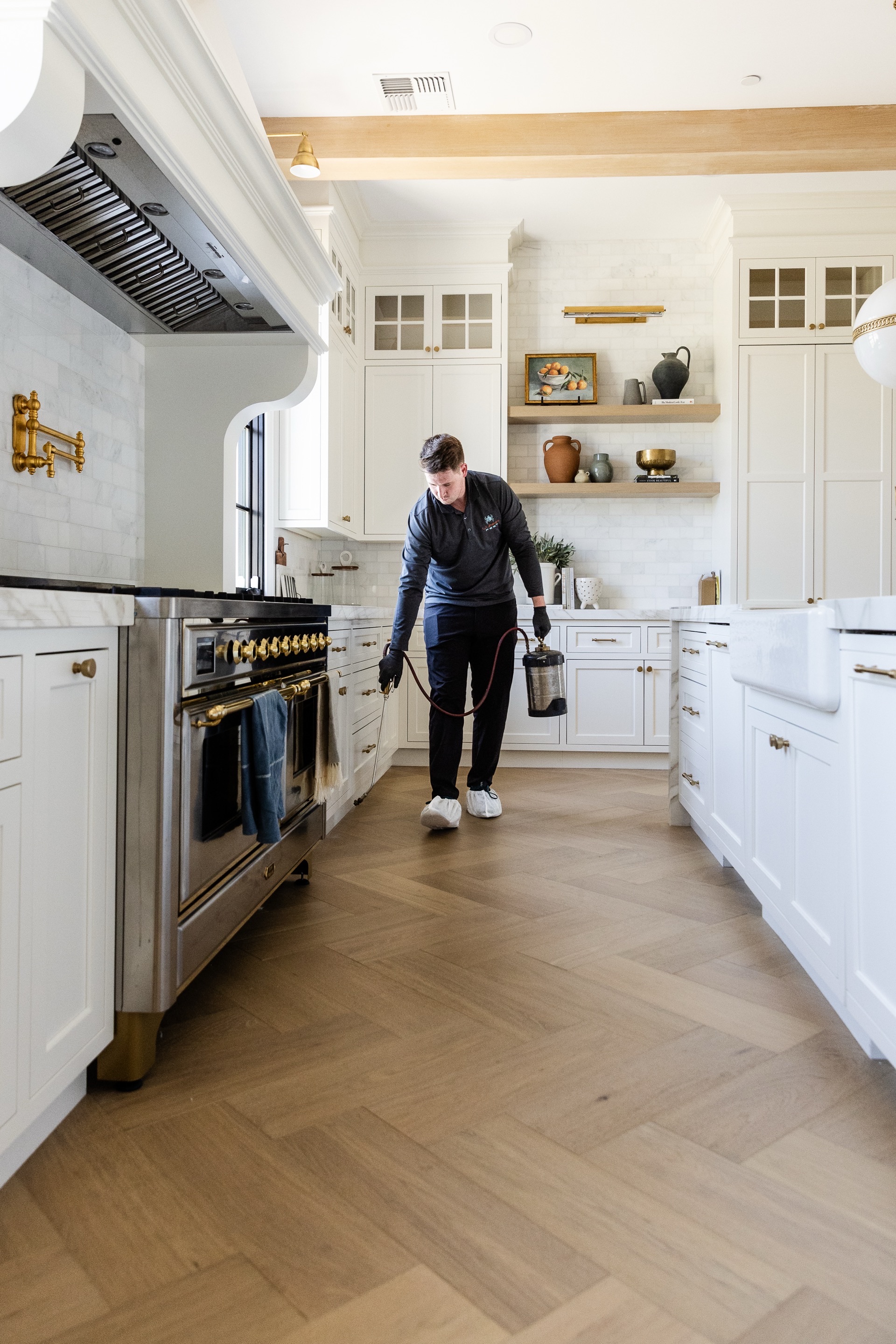
Interior and Exterior Treatment - Residual products get applied to the areas mites are traveling through: around windows, along baseboards, near ceiling edges in affected bedrooms, and at entry points.
Follow-up Verification - Most mite problems resolve within 1 to 2 weeks after source removal and treatment. If activity continues, we look for additional nest or harborage sites that weren't caught initially.

Same Day Service Available
No Obligation Instant Quote
What Our Customers Say
Trusted Across the Phoenix Valley
Frequently Asked Questions
Bird mites are a reasonable suspect if you have or recently had bird nests on your property and you're experiencing unexplained bites - particularly at night, concentrated on the upper body and arms. A technician inspection can identify nest locations and confirm mite activity. Mites themselves are very small (some are microscopic), but an experienced technician knows where to look and what to look for.
Bird and rodent mites can't survive indefinitely without their host. Without a blood meal, they die within a few weeks. Once the source is removed and treated, mite activity decreases steadily. Most problems resolve completely within 1 to 2 weeks after source removal and treatment. Without removing the source, problems persist indefinitely.
Bird and rodent mites don't establish permanent populations in bedding the way bed bugs do. They may be active near a bed if a nest is in an adjacent wall or ceiling, but they're not infesting the mattress itself. Washing bedding in hot water and treating the room addresses what's present without needing to discard the mattress. Dust mites do live in bedding, but they don't bite - they're allergens, not parasites.
Foggers don't reach mites hiding in cracks, wall voids, or near nests. They also don't address the source. Mites continue emerging from the nest regardless of what's been fogged in the room. Targeted professional treatment - combined with source removal - works because it reaches the right areas and eliminates the conditions producing new mites.
Almost certainly not. Bird and rodent mite infestations don't behave like bed bug infestations. Mites aren't establishing colonies in the mattress. Washing bedding in hot water and treating the room is typically sufficient. If there's a nest in a wall adjacent to the bed, addressing that source eliminates the problem.
Same Day Service Available
No Obligation Instant Quote
Your Location