Scorpions — New Construction in South Chandler
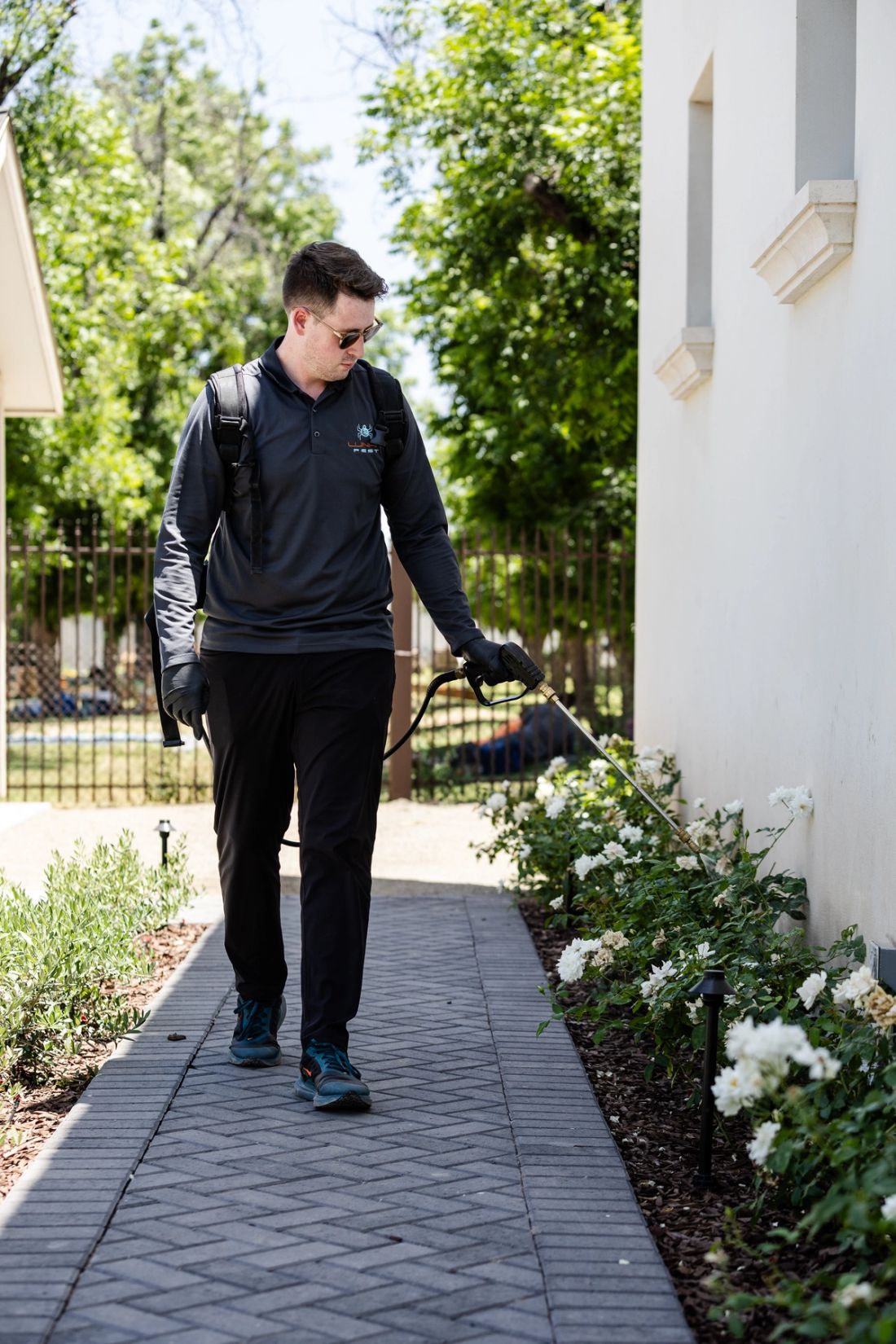
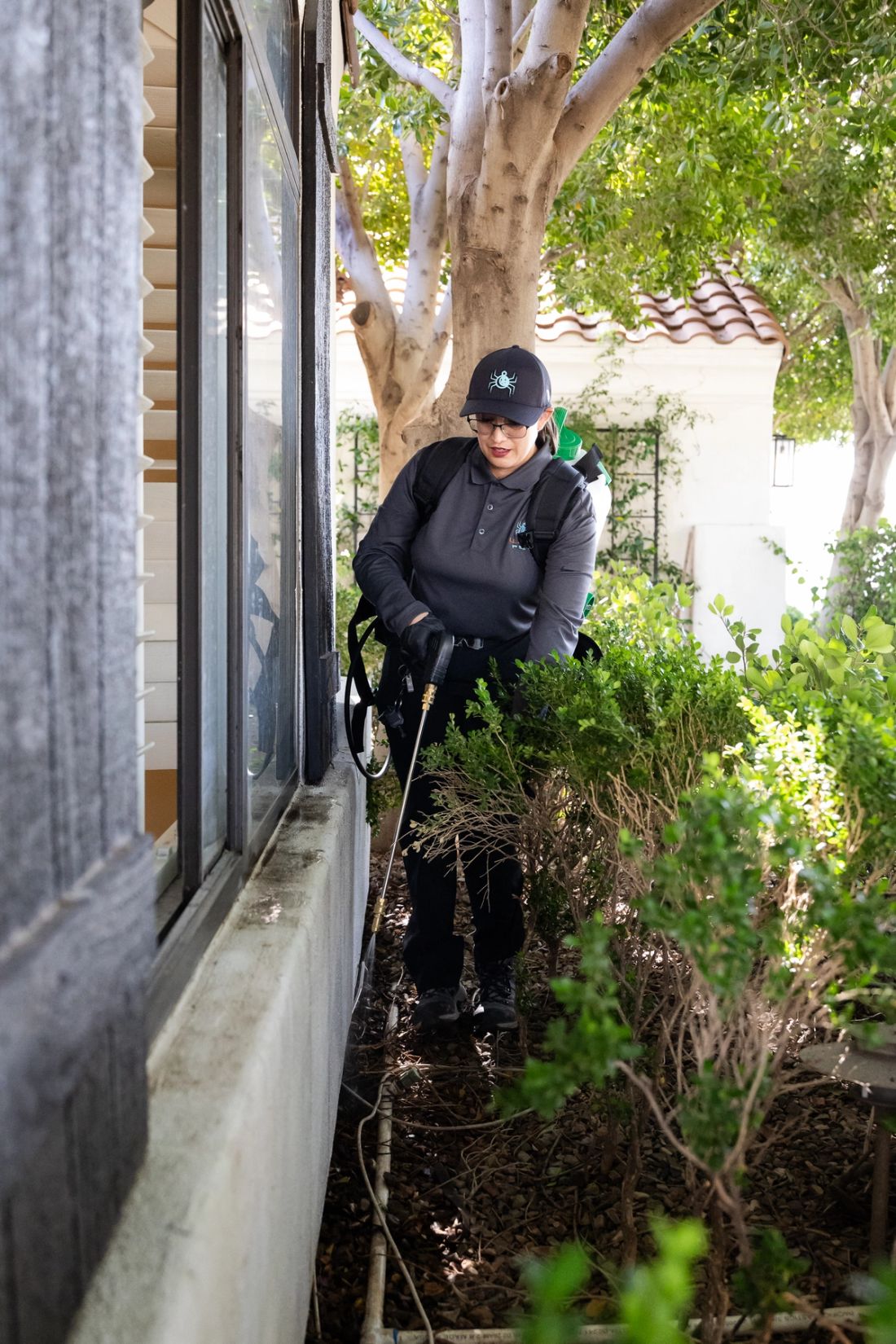
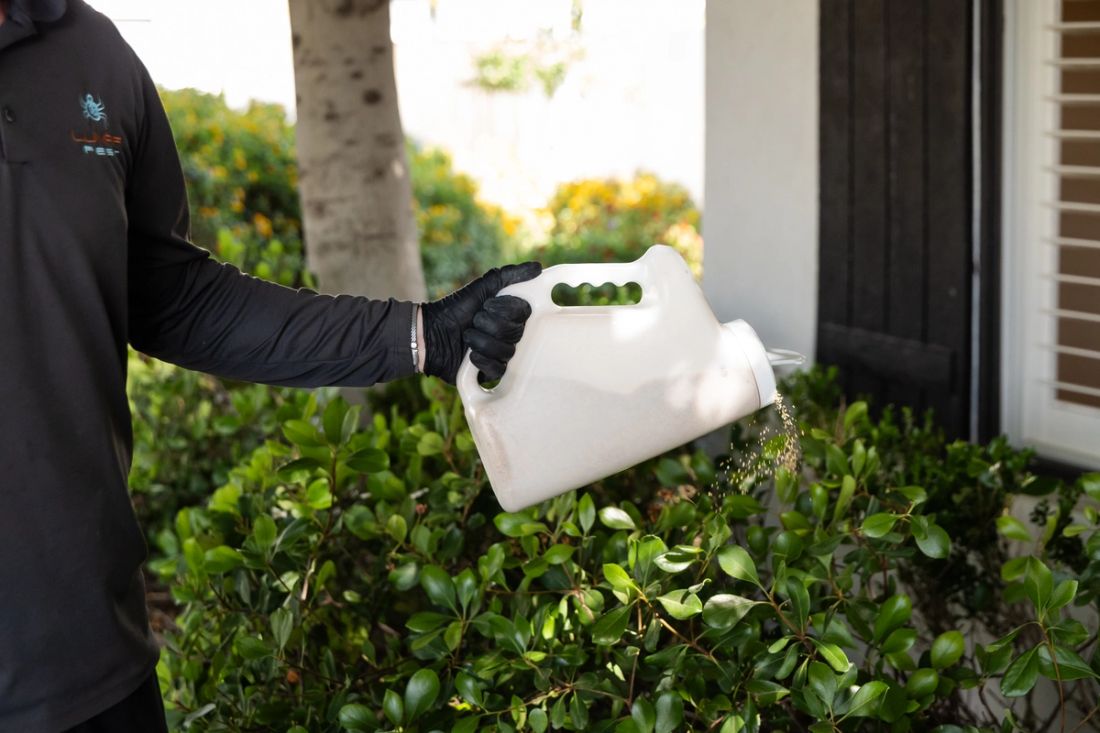
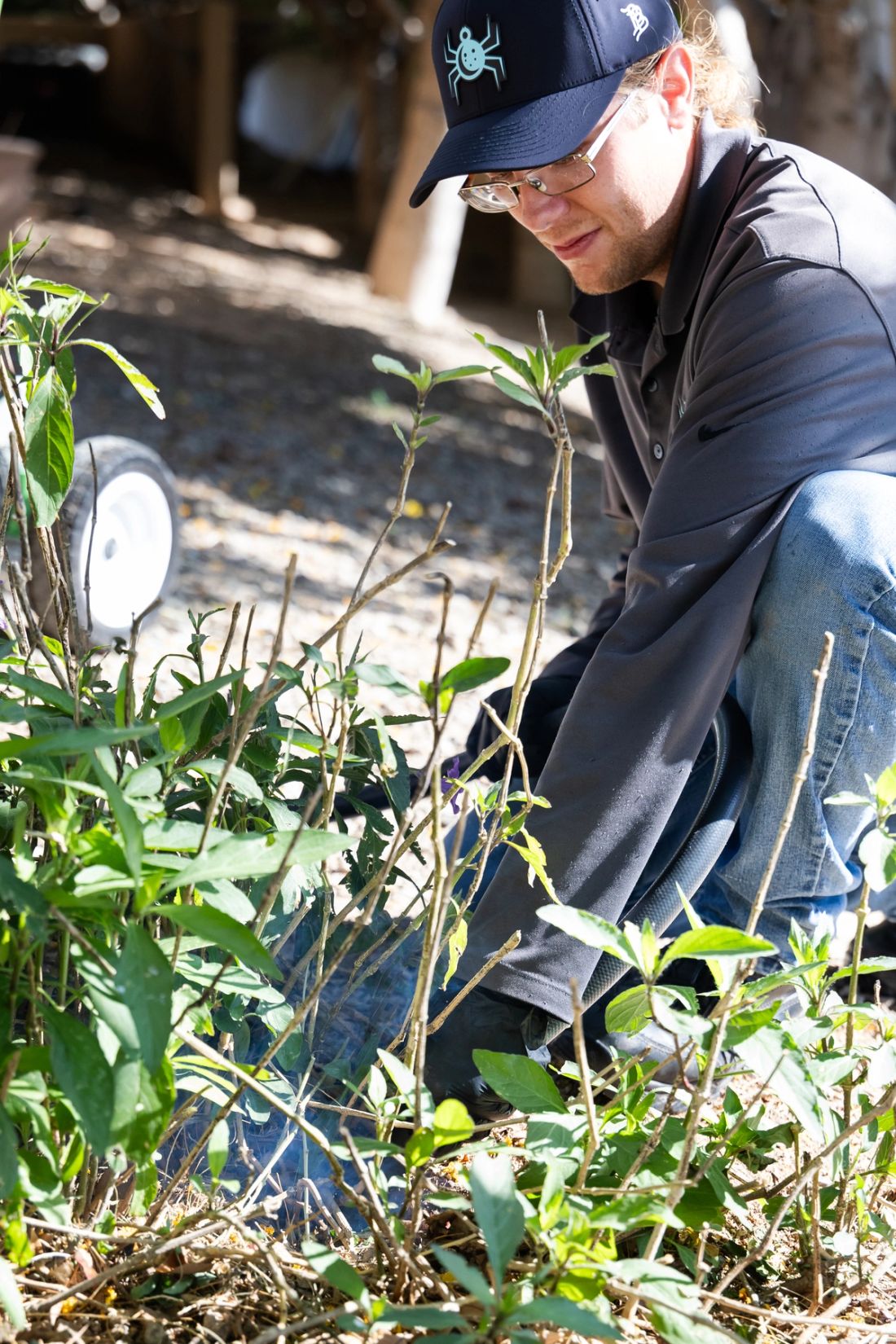
South Chandler is where scorpion pressure is most acute. Subdivisions built in the last five to ten years in the Warner Road corridor and further south are sitting on land that was desert or agricultural for generations. The scorpion populations that lived on that land didn't disappear when grading started — they moved, and a meaningful number of them moved into the new homes.
New construction has its own vulnerability profile: tile and hardwood floors instead of carpet, cleaner seal lines in theory — but in practice, new builds often have small gaps at utility penetrations, HVAC runs, and plumbing chases that weren't fully sealed. Scorpions find these. Bark scorpions are climbers, which means they don't just come in at ground level. They access attic spaces through roofline gaps and then work their way down into living areas.
For families with young children — which describes a significant portion of south Chandler's demographic — bark scorpion encounters carry real medical risk. Young children are more vulnerable to the neurotoxic effects of bark scorpion venom than healthy adults. Early, consistent treatment before a population establishes is far more effective than trying to knock one down after the fact.
In established neighborhoods like Ocotillo and Sun Groves, scorpion pressure is lower but still present. Mature landscaping with water features, palm trees, and irrigated lawns creates good habitat for the crickets and other insects scorpions eat.
Ants — Ocotillo Corridor and Irrigated Communities
The Ocotillo community — with its lake system, irrigated common areas, and mature landscaping — creates consistent conditions for ant activity. Argentine ants are the most aggressive colonizers in irrigated, landscaped environments. They're not the fire ants you might imagine from the name; Argentine ants are small, and their colonies can contain millions of individuals linked across multiple nesting sites. What looks like an ant trail on your kitchen counter is the visible tip of a very large underground organization.
Fire ants show up more often near newer construction with fresh irrigation and disturbed soil. They establish fast when conditions are right, and their mounds appear with surprising speed in spring. A backyard that looked fine in February can have fire ant mounds by April.
The Chandler Heritage District and older neighborhoods near Arizona Avenue tend to deal with more established ant species that have been present for years — harvester ants, odorous house ants, and the large black carpenter ants that occasionally show up in wood-framed structures.
Cockroaches — A Tale of Two Construction Eras
American cockroaches are most common in Chandler's older neighborhoods and in any structure with mature landscaping and irrigation lines in close proximity to the structure. The large, fast-moving ones that come in at night aren't a cleanliness issue — they're a moisture and entry point issue. They come out of irrigation valve boxes, sewer connections, and the ground-level gaps that develop in older block construction.
German cockroaches are the indoor species that establish in kitchens and bathrooms. They don't need outdoor access. A restaurant-grade kitchen or a residential kitchen with a minor moisture issue near the dishwasher can host a German cockroach population that multiplies rapidly. Chandler's restaurant corridor along Chandler Boulevard and the Warner Road retail zones see more German cockroach activity in commercial settings than any other cockroach species.
In newer construction in south Chandler, cockroach pressure is generally lower at first — but as homes age and landscaping matures, the conditions that support populations gradually develop.