Same Day Service Available | No Obligation Instant Quote
Cricket Treatment in Arizona
Same Day Service Available
No Obligation Instant Quote

That chirping might seem harmless at first. After a few sleepless nights, it's a different story. Crickets are one of the most common pest complaints in Arizona - and there's a reason we take them seriously beyond the noise. Crickets are a primary food source for scorpions. When crickets move in, scorpions follow. Getting cricket populations under control is one of the most effective things you can do to reduce scorpion activity around your home.
Same Day Service Available
No Obligation Instant Quote
Your Location
Know Your Species
Cricket Species Common in Arizona
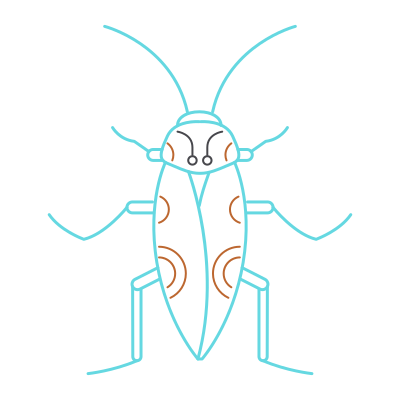
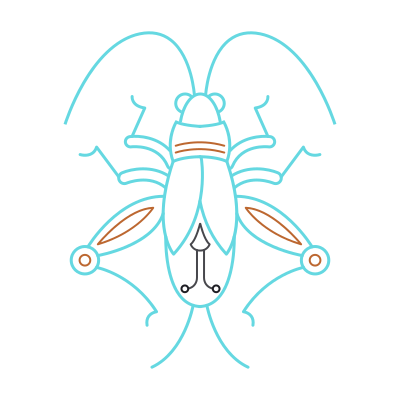
Field Crickets are the classic culprit - dark brown or black, about an inch long, and the ones making that familiar chirping sound at night. Males chirp to attract females, and a large population can be relentless.
House Crickets are tan and slightly smaller. They're more adaptable than field crickets and can survive indefinitely indoors if conditions are right. Year-round crickets in your kitchen? Probably house crickets.
Camel Crickets don't chirp at all, which is why people are often caught off guard when they find them. They're humpbacked, longer-legged, and tend to congregate in basements, garages, and crawl spaces where moisture collects.
Indian House Crickets are relatively new to the Phoenix metro and populations have been growing. They handle heat better - a problem in Arizona summers when you'd expect outdoor populations to die back.
The Hidden Danger
The Cricket-Scorpion Connection
Scorpions don't wander into your yard randomly - they go where food is. Crickets are one of their primary food sources. A yard with a heavy cricket infestation is actively attracting scorpions.
When we treat for crickets as part of a general pest program, we're not just solving a noise problem. We're removing a food source that's drawing in more dangerous pests. Homeowners who get consistent cricket treatment through the summer regularly report fewer scorpion sightings inside their homes. That's not a coincidence.
Crickets also cause real property damage - they chew fabric, clothing, curtains, and upholstered furniture. They're particularly drawn to natural fibers like cotton and wool. They also chew paper, so books, cardboard storage boxes, and documents left in infested areas are at risk.

Our Process
How Cricket Treatment Works
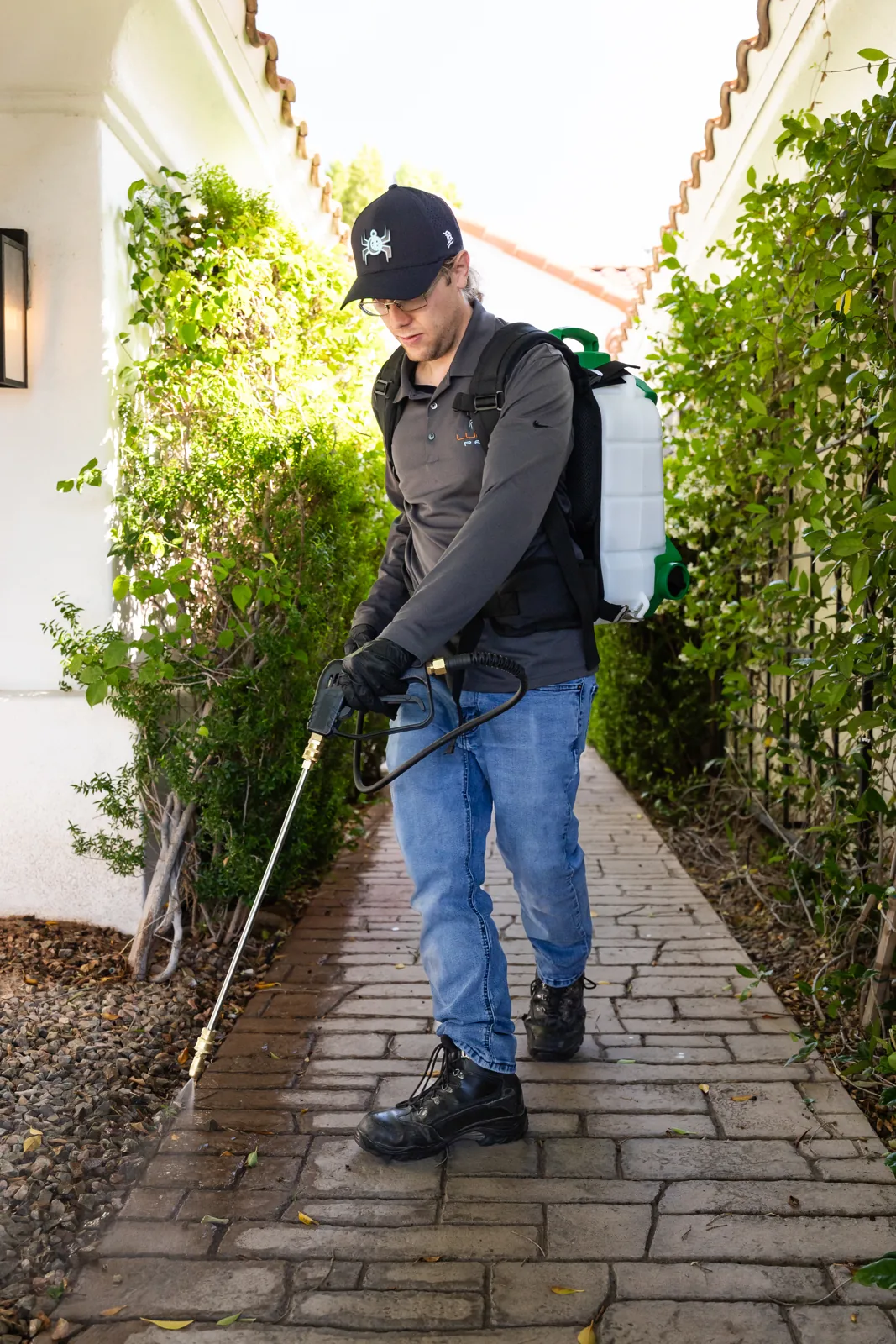
Perimeter Treatment - Residual products applied around the foundation create a barrier that kills crickets moving toward the structure and reduces the population before they get inside.
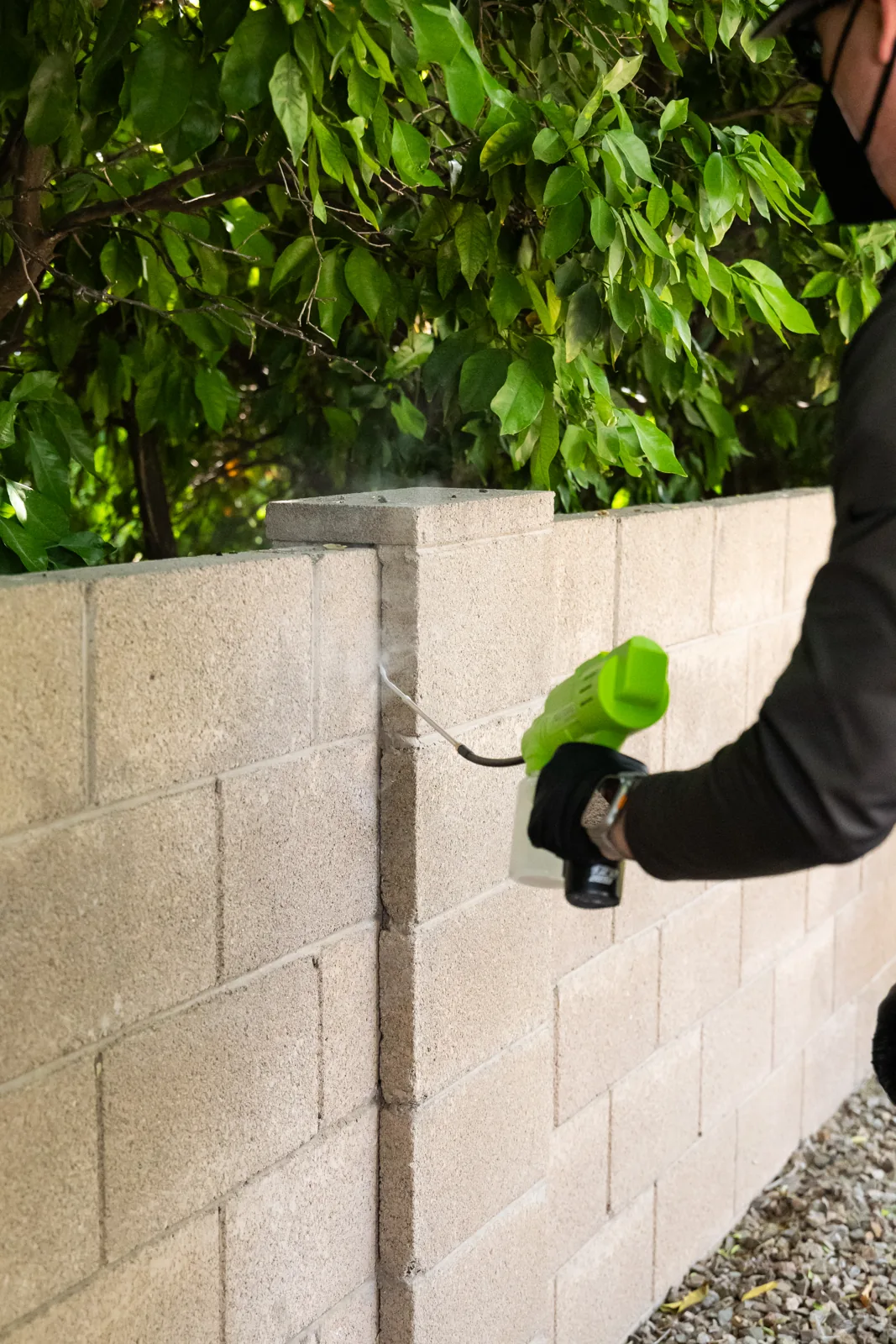
Harborage Treatment - Crickets hide in specific spots: under rocks, in landscape rock beds, along block walls, in dense vegetation near the house. Treating these areas disrupts where they live and breed.
Entry Point Assessment - Gaps under doors, utility penetrations, and poorly sealed windows are how crickets get inside. We identify those points and recommend sealing or treat them directly.
Ongoing Monitoring - During peak season, populations replenish quickly. Consistent service keeps pressure on the population rather than letting it rebuild between treatments.

Same Day Service Available
No Obligation Instant Quote
What Our Customers Say
Trusted Across the Phoenix Valley
Frequently Asked Questions
Monsoon rains trigger mass hatching. Cricket eggs can sit dormant in the soil for months, and moisture kicks off the hatching cycle. What looks like an overnight invasion is actually a lot of eggs that were already there, waiting for the right conditions. Treating before and during monsoon season gets ahead of it.
This is one of the most frustrating cricket problems. Sound bounces and echoes, making it nearly impossible to pinpoint the exact location by ear. Your best bet is to go quiet and still in a dark room and let your eyes adjust - often you'll catch movement near baseboards or behind furniture. Common hiding spots are behind refrigerators, under stoves, inside closets near laundry areas, and behind water heaters. If you can't locate it, treatment near those areas often resolves the problem within a day or two.
Technically yes, but it rarely happens and it's not dangerous. A cricket bite feels like a small pinch - no venom, no real harm. The concern with crickets isn't bites, it's the property damage they cause and the predators they attract.
Crickets primarily feed on dead plant material and aren't a significant lawn pest. They're not the same as grasshoppers or grubs that actively damage turf. The real concern in yards is the concentration of crickets near the home's foundation and what that draws in.
During peak season - roughly June through September - monthly treatment gives the best results. The population pressure is constant during those months, and a single treatment won't hold through the whole season. From October through May, quarterly service is usually enough to keep things in check.




Same Day Service Available
No Obligation Instant Quote
Your Location